
Einnovention is best web design company offering Mobile App Development, Website Development and IT Services to our worldwide clients with best services.
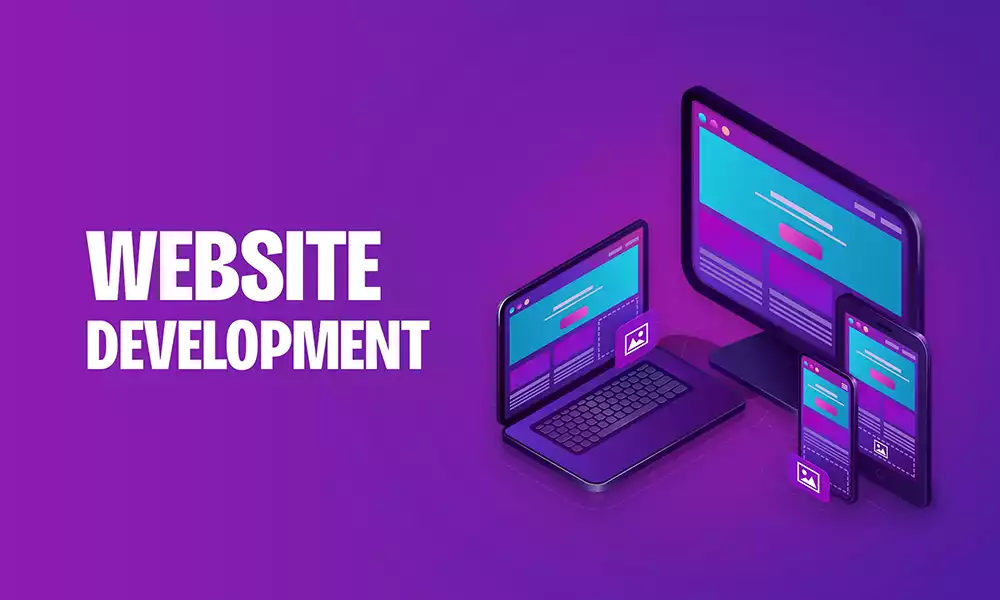



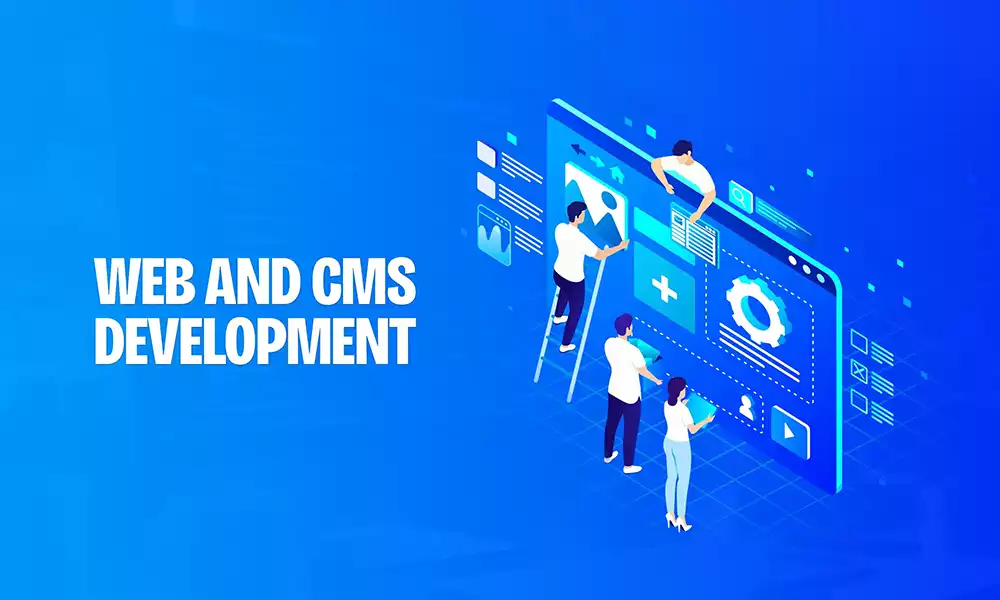
The digital experiences that are created are focused on web development. It is the synthesis of design, programming, and systems engineering that is used to build web systems that are functional, secure, and scalable to enable business success. This document will discuss the definition of web development, the components that make up web development, and the reasons why web development is an important necessity to companies today.
Web development is defined as the sequential process of designing, constructing, and administering websites and web applications which are operational on the internet. This process incorporates both the controlling systems that ensure data management, operational efficiency, security, and the interfaces that users interact with.
The complete web development process includes:
At Einnovention Software Solutions, we specialize in comprehensive Web Design & Development services that cover all these critical components.
All web development processes are focused on the website both on its appealing features and its practical functions, its users experience, efficiency and the ability to grow in size and scope. Front-end development deals with the user-facing portion of a site. It encompasses design, content layout, and user engagement with interactive elements like navigation menus, input forms, and call-to-action buttons.
Thanks to modern technologies, front-end developers can implement responsive design that creates a seamless experience for desktop, tablet, and mobile users. A well-crafted interface maximizes usability and encourages users to return to the site.
Einnovention's UI/UX Design Services ensure that your website not only looks stunning but also provides an intuitive user experience that keeps visitors engaged.
Back-end development is responsible for website functionality on the server-side. Back-end development takes care of data processing, user verification, application logic, and the front-end to database communication. Back-end development serves to ensure proper functionality of a website. Even with a stunning design, a website cannot work properly without a well-structured back-end.
Our Full-Stack Development expertise at Einnovention ensures robust server-side architecture, secure data handling, and seamless integration across all system components.
Full-Stack Development combines front-end and back-end technologies for a holistic approach to development. Full-stack developers can create user interfaces and server-side applications, among other things. This is especially valuable for businesses, as it allows the entire project to be developed and sustained with flexibility.
Einnovention's Full-Stack Development Services provide end-to-end solutions, allowing your business to scale efficiently while maintaining complete flexibility and control over your digital infrastructure. Explore our portfolio of successful projects to see how we've transformed businesses like yours.
The organization's website is its digital identity. It lets businesses display the company's offerings and its brand image. With professional Web Design services from Einnovention, your brand image will reflect quality and innovation, setting you apart from competitors.
Internet presence builds a company's reputation. A company has a better reputation if the website is built nicely. It shows the company's commitment to high quality and professionalism. Our 15+ years of industry experience demonstrates our commitment to delivering world-class web solutions.
A website has the capacity to generate and engage customers. A well-built and well-optimized website has a good chance of increasing the organization's sales.
Special Solutions:
A website has no geographical location. Physical businesses can be open or closed; but a website is always open and available to capture as many customers as possible. With Einnovention's Website Hosting Services, your site remains accessible, secure, and fast around the clock.
Choosing between template or custom development is strategic. Template development is cheaper (initially) and faster, but it can limit the back-end of the website in terms of scalability, customization, and optimization.
Custom development gives businesses the ability to design the website the way they want it. It provides back-end flexibility, high performance, and scalability in line with the company's growth.
Einnovention specializes in Custom Web Development tailored to your unique business needs, ensuring superior performance and unlimited growth potential.
The development of web design is always changing due to new technologies and various ways to construct and use digital structures. New trends that affect and change web design solutions include:
Einnovention stays ahead of these trends with our comprehensive Full-Stack Development and Security Services that incorporate cutting-edge technologies. Companies that implement these technologies gain a noticeable competitive advantage.
The success of a digital strategy is entirely dependent on web design. Professional web design is required to make sure the site runs well, is safe, and is reliable. To support online growth, businesses should make an effort to use modern web design solutions.
To remain competitive today, organizations need modern web design to provide a great user experience and to achieve digital success.
Einnovention Software Solutions has been helping businesses build powerful web solutions since 2014. Our team of 30+ experienced professionals across the USA, UK, and Pakistan is ready to bring your vision to life.

 English
 Español
 Français
 Italiano
 Polski
 Nederlands
 Deutsch
 العربية
