
Einnovention is best web design company offering Mobile App Development, Website Development and IT Services to our worldwide clients with best services.



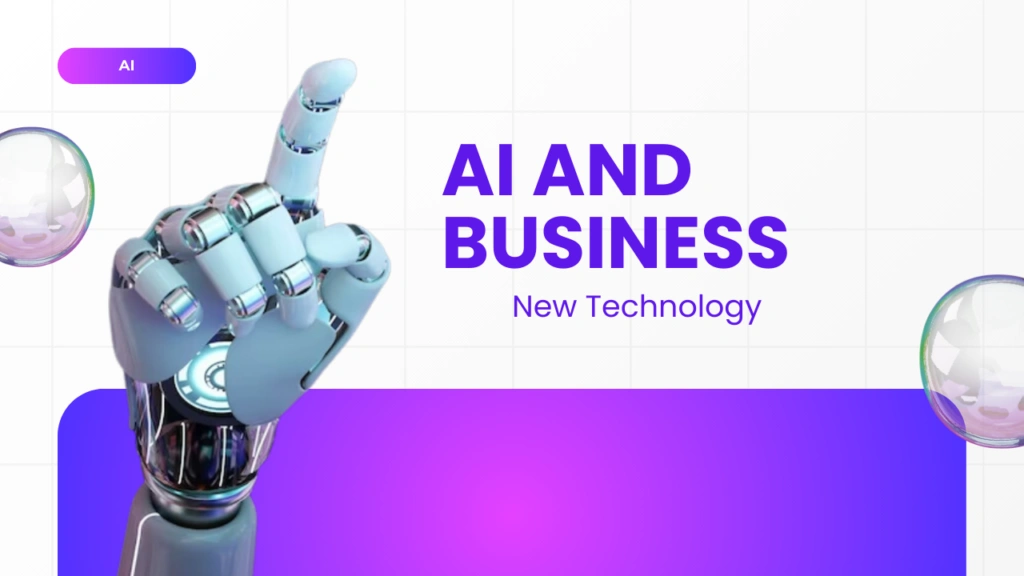
Artificial Intelligence (AI) has almost reached its peak in 2026 where it has become available to even small scale businesses. With more rapid adoption around the globe to optimize workflows, reduce costs, and improve user satisfaction, AI has become the next big thing. Whether through AI powered Chat-bots or Predictive Analysis, businesses are and will continue to be driven through AI.
This article aims to display the reasoning behind the rapid adoption of AI, illustrating the importance and necessity of AI automation.
AI Automation involves the use of Artificial Intelligence to control processes without human interaction or presence. AI is able to 'think' and 'learn' without human intervention and adapts to the environment autonomously. Examples are:
1. Improved Efficiency and Productivity
With the use of AI time consuming tasks such as customer queries, scheduling and data entry can be done by AI. This has created time for employees to work on more important areas of the business. AI Chat-bots for example have provided customers with immediate responses and satisfaction.
2. Operational Costs
AI has reduced the amount of money spent on hiring new staff to do repetitive and monotonous. tasks.
3. AI and Customer Engagement
AI and its ability to personalize and recommend products, adjust marketing campaigns and improve customer service through analysis of user behavior.
4. Data-Driven Decision Making
AI tools analyze large datasets to provide actionable insights. Small businesses can now:
While AI offers many benefits, there are some challenges:
However, the long-term benefits far outweigh these limitations.
The future is promising. AI will continue to evolve, offering:
Businesses that adopt AI early will gain a significant competitive advantage.
AI automation is revolutionizing how small businesses operate in 2026. It empowers companies to work smarter, not harder, by improving efficiency, reducing costs, and enhancing customer experiences.
For small business owners, the message is clear: embracing AI is no longer optional—it’s the key to staying competitive in a rapidly evolving digital landscape.

 English
 Español
 Français
 Italiano
 Polski
 Nederlands
 Deutsch
 العربية
